Flex-Fuel Bikes in India: E20 vs E85 Explained
By 91Bikes Team
Flex-Fuel Bikes in India: What E20 and E85 Actually Mean for Riders
India's push toward ethanol-blended fuel has moved well past the discussion stage. E20 petrol — a blend of 20% ethanol and 80% regular petrol — is now the standard fuel sold at most pumps across the country, and nearly every two-wheeler manufactured since April 2023 has been built to run on it. But the government's ambitions don't stop there, and a small but growing number of "flex-fuel" motorcycles capable of running on much higher ethanol blends, up to E85, are now reaching Indian showrooms. Here's what all of this actually means if you're buying or already own a two-wheeler.
E20 vs E85: What's the Difference
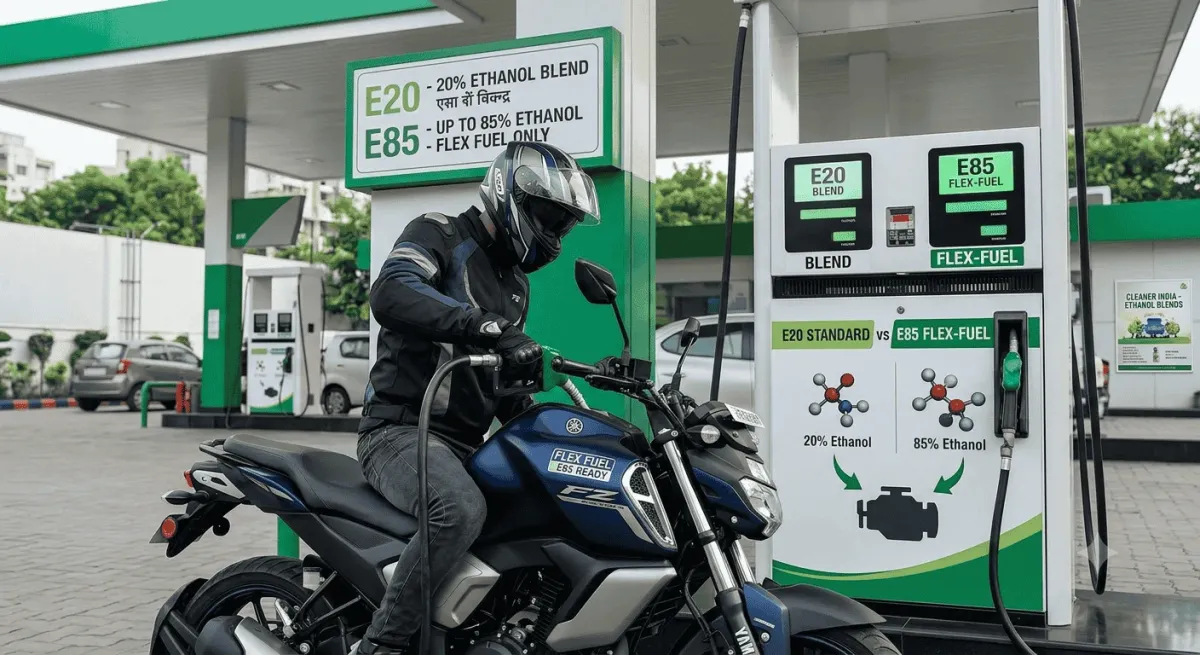
E20 fuel is a blend containing 20% ethanol, and it's designed to work seamlessly in any modern engine without requiring special hardware — essentially all mainstream two-wheelers sold today are E20-compliant by default. E85 is a different proposition altogether: a blend of up to 85% ethanol, which requires purpose-built engine components, revised fuel lines and specific ECU calibration to run safely and efficiently. A regular petrol engine cannot simply switch to E85 without these changes, which is why flex-fuel models are sold as distinct variants rather than just a fuel-type label on an existing bike.
Which Flex-Fuel Bikes Are Available Right Now
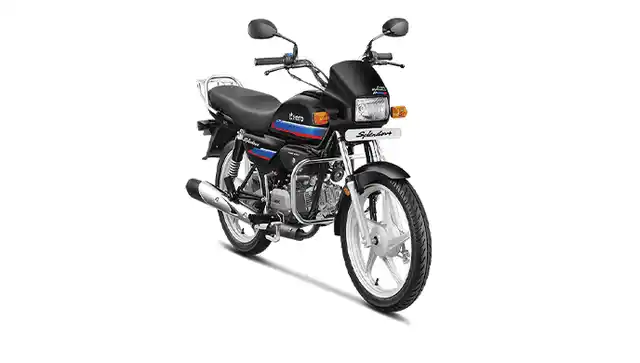
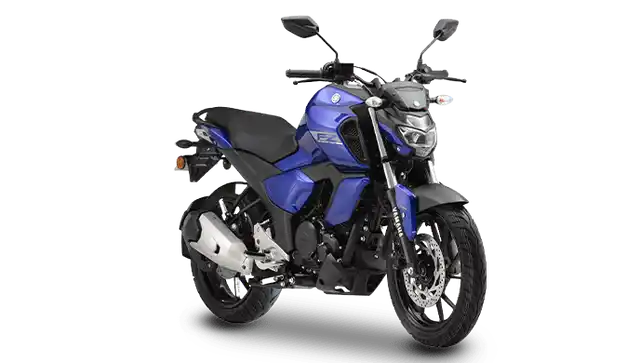
The flex-fuel motorcycle segment in India is still small but growing. Hero MotoCorp has introduced flex-fuel versions of two of its most popular commuters: the Splendor+ Flex, priced at around ₹82,810 (ex-showroom, Delhi), and the HF Deluxe Flex, at approximately ₹72,792. Both retain their familiar styling and commuter-friendly character, with the ethanol compatibility built in through revised internals rather than any visible changes. Yamaha has taken a similar approach with the FZ Blue Flex, priced at roughly ₹1,24,240, based on the existing FZ Rave and marketed as the first mass-market flex-fuel motorcycle in the 150cc segment. Suzuki has also signalled work on its own flex-fuel offerings as part of the broader industry shift.
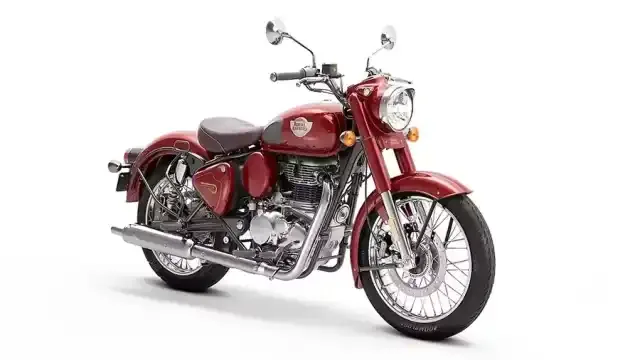
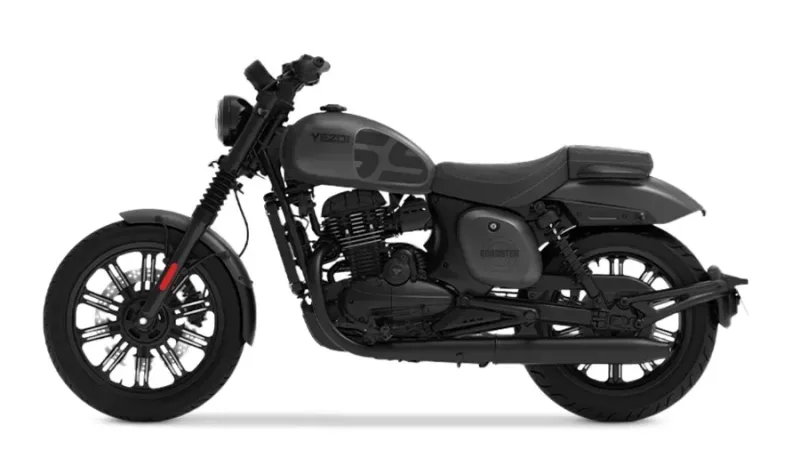
Beyond dedicated flex-fuel variants, a much larger number of two-wheelers are already E20-compliant as standard, including most current-generation models from Royal Enfield, Jawa and BSA, among others — worth checking for the blue E20-compliance sticker near the fuel lid if you're unsure about a specific bike.
The Real-World Trade-Off: Mileage
Running a flex-fuel bike on higher ethanol blends isn't free of compromise. Independent testing has shown that E85 fuel can reduce fuel efficiency by roughly 30% compared to running the same engine on regular petrol — meaning a bike that normally returns around 30 kmpl could see that figure drop to somewhere in the 21-22 kmpl range when running on E85. Ethanol simply carries less energy per litre than petrol, so despite E85 typically being priced lower at the pump (around ₹82 per litre in Delhi at current rates), the lower efficiency can offset some of that cost advantage depending on how and where you ride.
Where the Infrastructure Stands
One of the biggest practical hurdles for flex-fuel adoption right now is fuel availability. E85 pumps remain rare across India, though the government has set a target of roughly 500 operational E85 stations by the end of 2026, with cities like Mumbai only recently getting their first E85-capable pump. Until that network expands meaningfully, flex-fuel bikes will likely remain most practical for owners in a handful of metro areas rather than a nationwide option.
What This Means If You Already Own a Bike
For owners of existing petrol-only two-wheelers, there's some reassurance here too: the government has confirmed there are currently no plans to raise mandatory ethanol blending beyond the existing E20 level nationwide. That means older bikes not specifically built for higher ethanol content aren't at risk of being forced to run on fuel they weren't designed for, at least for now. Manufacturers including TVS have also indicated more ethanol-compatible models are in the pipeline, suggesting flex-fuel options will keep expanding gradually across price points and vehicle types as the fuel ecosystem catches up.
Compare flex-fuel and standard petrol two-wheelers, including current prices and specifications, on 91Bikes.